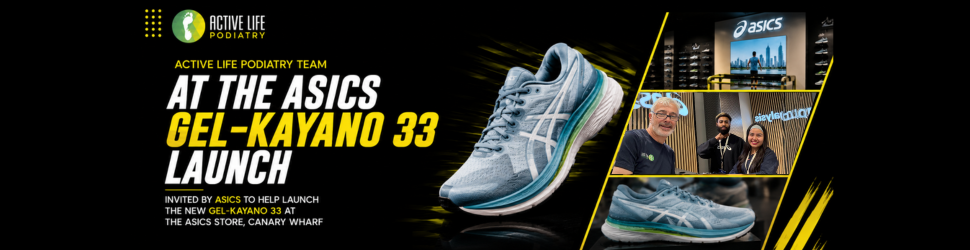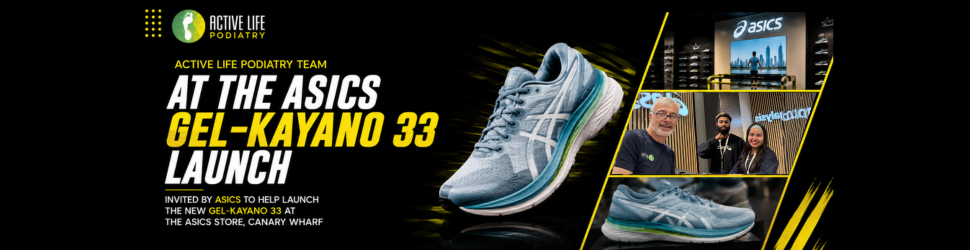
Active Life attends the launch of Asics new GEL-KAYANO 33 trainers

Active Life attends the launch of Asics new GEL-KAYANO 33 trainers

Helping runners activate their personal best  

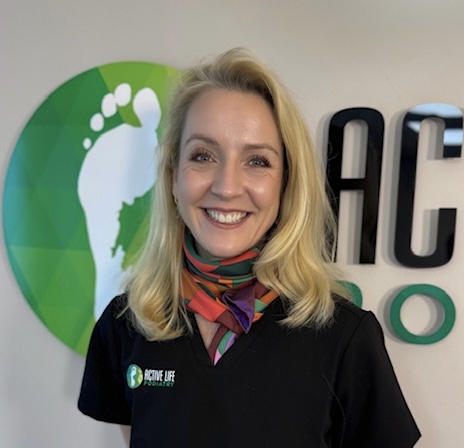
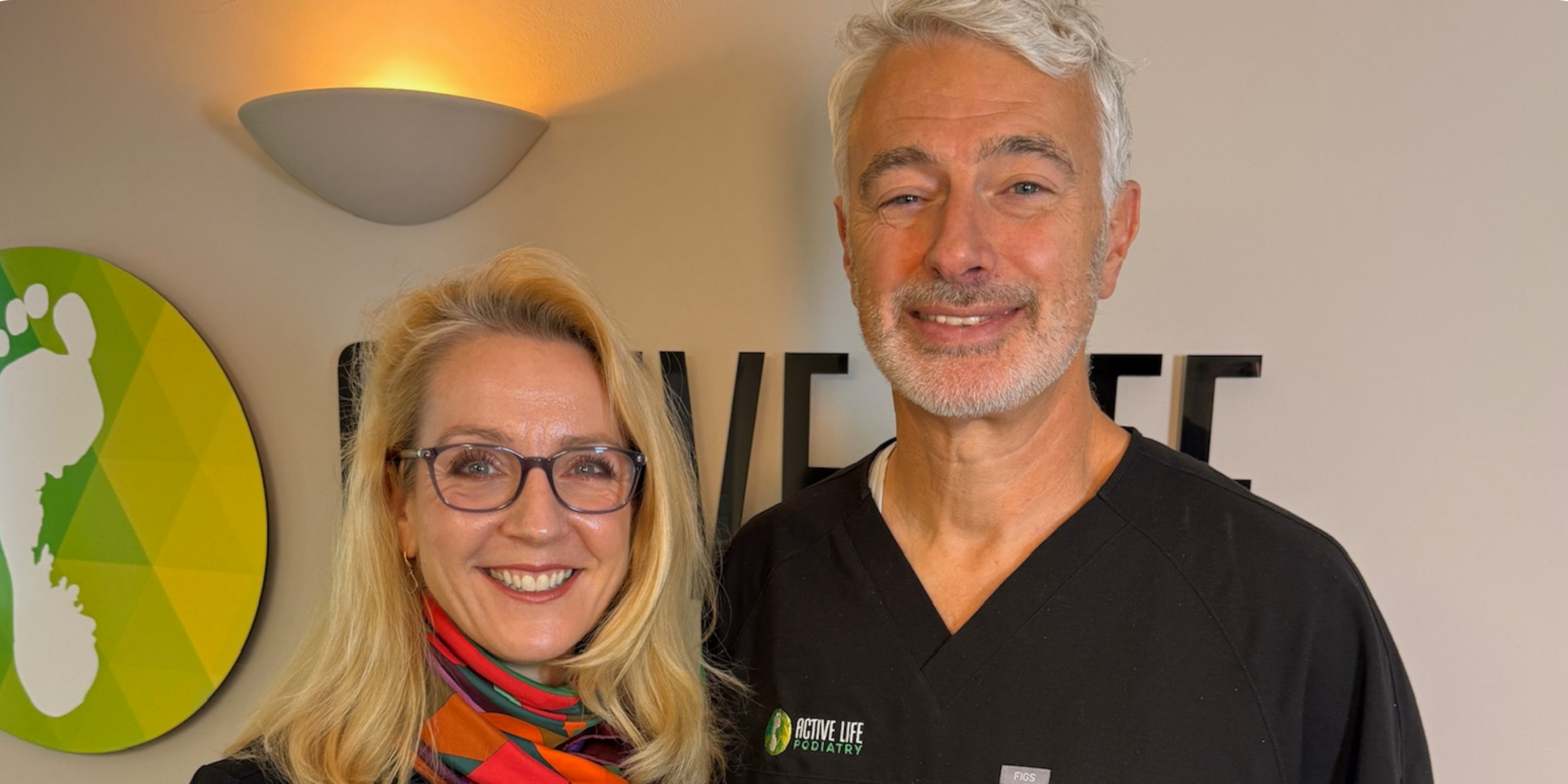
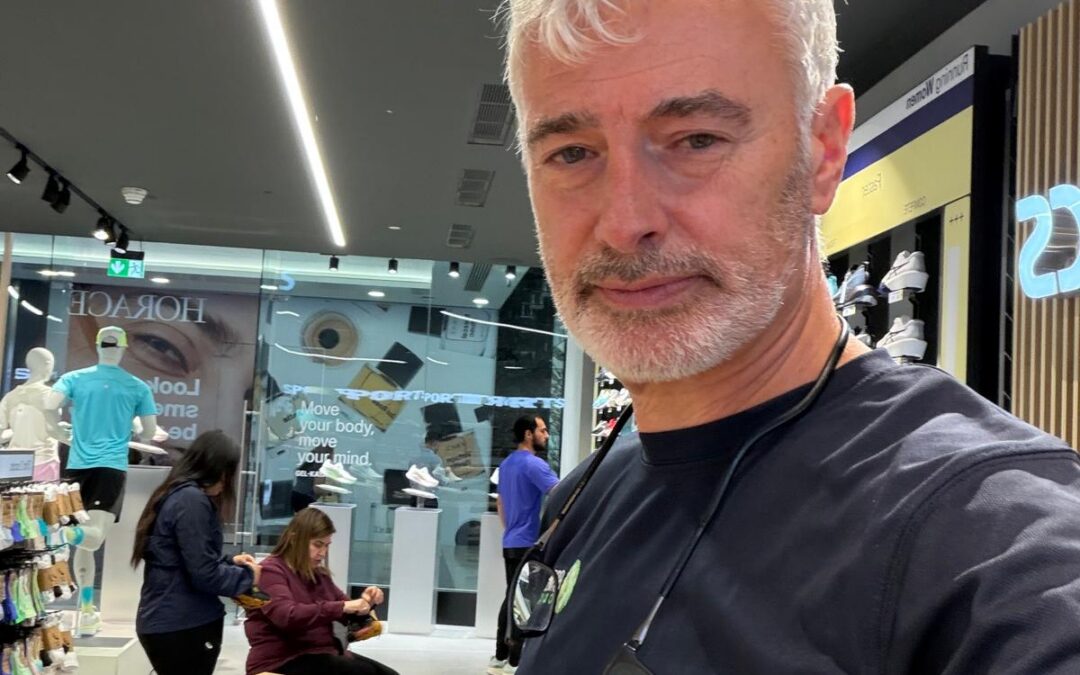
John and Aliza from the Active Life team were delighted to attend the launch of the new Asics GEL-KAYANO 33 trainers. They spent time with runners, chatting through injuries and looking at runners techniques and helping people to find the right shoe for their training. 

A word from John

John says “It’s always great to get out of the clinic and connect with the running community, and it’s great to meet so many keen runners and be part of such an exciting launch. We frequently give talks to running clubs and we welcome the opportunity to share our tips with other runners.”

How to find the right running trainers

As with most things in running, there’s no one size fits all. To truly activate your running potential, you need to understand your biomechanics, training load and whether the shoe is right for your body and goals.

A running assessment can help you understand the types of shoe to benefit your running and reduce risk of injury. Our state-of-the-art diagnostic equipment and analysis identifies inefficiencies and risks, while our expert team provides personalised advice to strengthen, protect, and support your training journey.

We also design and produce tailor-made, 3D printed custom orthoses (insoles) on site at our Fulham clinic to help give you the specialist support you need. 

Take steps to your personal best 

Want help finding the right shoe for your running style and goals? We can help. It’s the perfect time to tune up your biomechanics, recover right, and prepare your feet for future runs.

📍 Find us at: 1 Parsons Green Lane, Fulham, London, SW6 4HP

💻 Book your appointment here.

Take the next step toward better movement, faster recovery, and lasting performance.

Book your appointment today and step into your strongest stride yet.

We are here to help you to #TakeSteps

  • To an active recovery following injury
  • To active, healthy feet for your family
  • To a personal best
  • To an Active Life

5 tips for preventing ingrown toenails and when to seek help.

5 tips for preventing ingrown toenails and when to seek help.

5 tips for treating ingrown toenails and when to seek help.

An ingrown toenail can be surprisingly painful. It happens when the edge of the nail grows into the surrounding skin, causing discomfort, redness and swelling. While many mild cases can be managed safely at home, it’s important to recognise when professional treatment is needed to prevent infection or ongoing problems.

Here are five simple ways to care for an ingrown toenail at home.

1. Soak your foot in wam salty water

Soak your foot in warm (not hot) salty water for 15–20 minutes, two to three times a day.

This helps to:

  • Reduce swelling
  • Soften the skin around the nail
  • Ease discomfort
  • Make it easier to keep the area clean

After soaking, gently pat your foot dry with a clean towel.

2. Keep the area clean and dry

Good foot hygiene is essential while your toe heals.

Wash the area daily, dry it thoroughly after bathing or soaking, and avoid leaving the toe damp inside socks or shoes. Keeping the skin clean can help reduce the risk of infection. You should also be careful of how your pedicurist shapes your toenails – always cut toenails straight across and don’t dig down the sides

3. Wear shoes that don’t put pressure on your toe 

Tight-fitting footwear is one of the most common causes of ingrown toenails and can make symptoms worse.

Choose shoes with a wide toe box or wear open-toed sandals where appropriate until the toe has settled. Avoid tight socks that squeeze your toes together.

4. Don’t cut or dig into the nail yourself

It may be tempting to cut away the corner of the nail or dig underneath it, but this often makes the problem worse. If it’s safe to do so, you can try using a soft toothbrush to brush down the side of the nail. However, if you’re unsure or if the nail continues to dig into the skin, it’s much safer to have it assessed by a podiatrist.

Trying to remove part of the nail at home can:

  • Push the nail deeper into the skin
  • Damage healthy tissue
  • Increase the risk of infection
  • Make the nail grow back incorrectly

5. Know when to see a Podiatrist

Home treatment is only suitable for mild cases.

You should book an appointment with a podiatrist if:

  • The pain is severe or getting worse.
  • Your toe is very swollen or increasingly red.
  • There is pus, bleeding or signs of infection.
  • The ingrown toenail keeps coming back.
  • Symptoms haven’t improved after a few days of home care.
  • You have diabetes, poor circulation or a weakened immune system.
  • You have a family history of in-grown toenails. 

These conditions increase the risk of complications, so a prompt assessment is recommended.

Can an ingrown toenail heal on its own?

A mild ingrown toenail can sometimes settle with good home care, especially if it’s caught early. However, if the nail has broken the skin or become infected, professional treatment is often needed to relieve pain and prevent the problem returning.

How a Podiatrist can help

Ingrown toenails are described in just about every sports injury book, but it takes a podiatrist’s skillset to effectively know how to deal with it. A podiatrist can safely assess the severity of your ingrown toenail and recommend the most appropriate treatment.

Depending on the problem, treatment may include:

  • Removing the piece of nail causing the pain
  • Treating any infection
  • Advising on nail cutting techniques
  • Recommending footwear changes
  • Performing a minor nail procedure for recurring ingrown toenails

Professional treatment is usually quick, safe and can provide immediate relief.

Myth-busting: Do ‘V’ shaped nails help?

One common misconception is that cutting the nail into a ‘V’ shape will solve the problem. The idea behind this is that a ‘V’ shape actively encourages the sides to grow away from the affected area. However, in reality this doesn’t happen and it’s much more effective to follow the above guidance and seek professional help instead. 

Take steps to a pain-free life

Live an active, pain-free life today.

📍 Find us at: 1 Parsons Green Lane, Fulham, London, SW6 4HP

💻 Book your appointment here.

Take the next step toward better movement, faster recovery, and lasting performance.

Book your appointment today and step into an active life.

We are here to help you to #TakeSteps

  • To an active recovery following injury
  • To active, healthy feet for your family
  • To a personal best
  • To an Active Life

Can marathon-winning trainers make you a better runner?

Can marathon-winning trainers make you a better runner?

Can marathon-winning trainers make you a better runner?

Elite marathon runners are crossing finish lines in super shoes and breaking records. But what does that actually mean for everyday runners.

Super shoes. Carbon plates. PEBA foam. But what actually matters?

You’ve probably heard the claims. More speed. More bounce. Better running economy. Here’s the simple version.

The foam matters more than you think…

Traditional running shoes have long used EVA foam, a lightweight material that absorbs shock well. Newer “super shoes” use foams such as PEBA and Pebax, which are lighter and more responsive, helping runners feel quicker and more efficient.

What about the carbon plate?

The carbon plate isn’t necessarily acting like a spring catapulting you forwards. Research suggests it may actually play a bigger role in reducing stress through the foot and protecting joints in the forefoot from repetitive load.

Who benefits most?

The biggest gains tend to be seen in runners with a faster cadence and quicker pace. But they don’t always create the same improvement at slower speeds.

One thing to be aware of

Softer, lighter foams can also mean less resistance to excessive foot movement. For some runners, this may increase the risk of certain injuries.

The takeaway

Super shoes can absolutely have their place, but they’re not magic shoes. Because of their cost and lower durability, they’re often best kept for key sessions and race day.

Want help finding the right shoe for your running style and goals? We can help.

Take steps to your personal best

It’s the perfect time to tune up your biomechanics, recover right, and prepare your feet for future runs.

📍 Find us at: 1 Parsons Green Lane, Fulham, London, SW6 4HP

💻 Book your appointment here.

Take the next step toward better movement, faster recovery, and lasting performance.

Book your appointment today and step into your strongest stride yet.

We are here to help you to #TakeSteps

  • To an active recovery following injury
  • To active, healthy feet for your family
  • To a personal best
  • To an Active Life

Supporting Dancers at Active Life Podiatry

Supporting Dancers at Active Life Podiatry

Reach your peak with Penny

Your feet are your foundation. Every jump, turn and landing places huge demand on them and even small issues can quickly affect how you move, train and perform.

More dancers and gymnasts are choosing to work with a podiatrist who truly understands the physical demands of dance.

Whether you are experiencing a foot issue or simply want to take a proactive approach to injury prevention, specialist podiatry care can help you stay strong, stable and confident in your movement. 

Penny is our in-house dance, gymnast and sports injury specialist. As a former ballet teacher and examiner, she’s an advocate for helping people, particularly dancers, move better and stay pain free. 

Her skillset includes Gait and Foot Pressure Analysis and orthotic therapy,  Point of Care Ultrasound, Laser Therapy, Shockwave therapy and exercise rehabiliation. Whether you’re dancing or not, she believes foot health is paramount in everyone’s daily life. 

How Podiatry Can Help Dancers

A podiatrist can provide both treatment and preventative care, helping dancers maintain healthy feet throughout their training and performance schedules.

Common podiatry treatments for dancers include:

Skin and nail care
Treatment for corns, calluses, blisters, and nail issues caused by pressure and friction in dance shoes.

Biomechanical assessments
An assessment of how your feet move and absorb load during activity. This helps identify areas of stress that may contribute to pain or injury.

Advice on footwear and pressure management
Guidance on managing pressure points in dance shoes and pointe work to reduce irritation and injury risk.

Injury support and prevention
Treatment and advice for common overuse injuries affecting dancers, alongside strategies to help keep you training consistently.

Supporting Dancers at Active Life Podiatry

Whether you are experiencing a foot issue or simply want to take a proactive approach to injury prevention, specialist podiatry care can help you stay strong, stable and confident in your movement.

At Active Life Podiatry, Penny works with dancers to provide personalised care that supports both foot health and performance.

If you’re a dancer and your feet could benefit from expert attention, booking a podiatry appointment could be the first step in keeping you dancing comfortably and confidently.

Book your appointment today and step into your strongest stride yet.

We are here to help you to #TakeSteps

  • To an active recovery following injury
  • To active, healthy feet for your family
  • To a personal best
  • To an Active Life

Help end shoe poverty today

Help end shoe poverty today

Taking steps to end shoe poverty. But we need your help. 

Active Life Podiatry are proudly partnering with Shoe Aid for a third year to help end shoe poverty globally.

Shoe Aid is a UK based charity that sources and supplies free footwear through a collection and distribution network, so no child or adult has to go without shoes.

With your help, we delivered hundreds of pairs of shoes to people in need. For the third year, we’re collecting shoes until 30th November 2025.

How you can help

You can help to make a difference and change lives by donating your old shoes and giving them a second life to someone in need.

Simply donate your shoes to Active Life Podiatry’s drop off point at 1 Parsons Green Lane and we’ll send them to Shoe Aid for you. Or, make a donation directly.

Did you know?

  • 1.5 billion people worldwide without shoes, including 300 million children. 
  • 2 million shoes are thrown into landfill every week.
  • 1 pair of shoes takes upwards of 1000 years to biodegrade.

Shoe Aid is tackling the problem, by educating on the importance of recycling and repurposing footwear.
They distribute tens of thousands of pairs of shoes to over 15 countries. Simply donate shoes you no longer wear to our Parsons Green Clinic, and we’ll take care of the rest.

Together, we can get steps to end shoe poverty globally. 


    If you’d like to support Shoe aid directly, donate via the button below.

    Did you know?

    • 1.5 billion people worldwide without shoes, including 300 million children. 
    • 2 million shoes are thrown into landfill every week.
    • 1 pair of shoes takes upwards of 1000 years to biodegrade.