
Dancer and Gymnast Foot & Ankle Injuries: Advice from a Specialist Podiatrist

Dancer and Gymnast Foot & Ankle Injuries: Advice from a Specialist Podiatrist
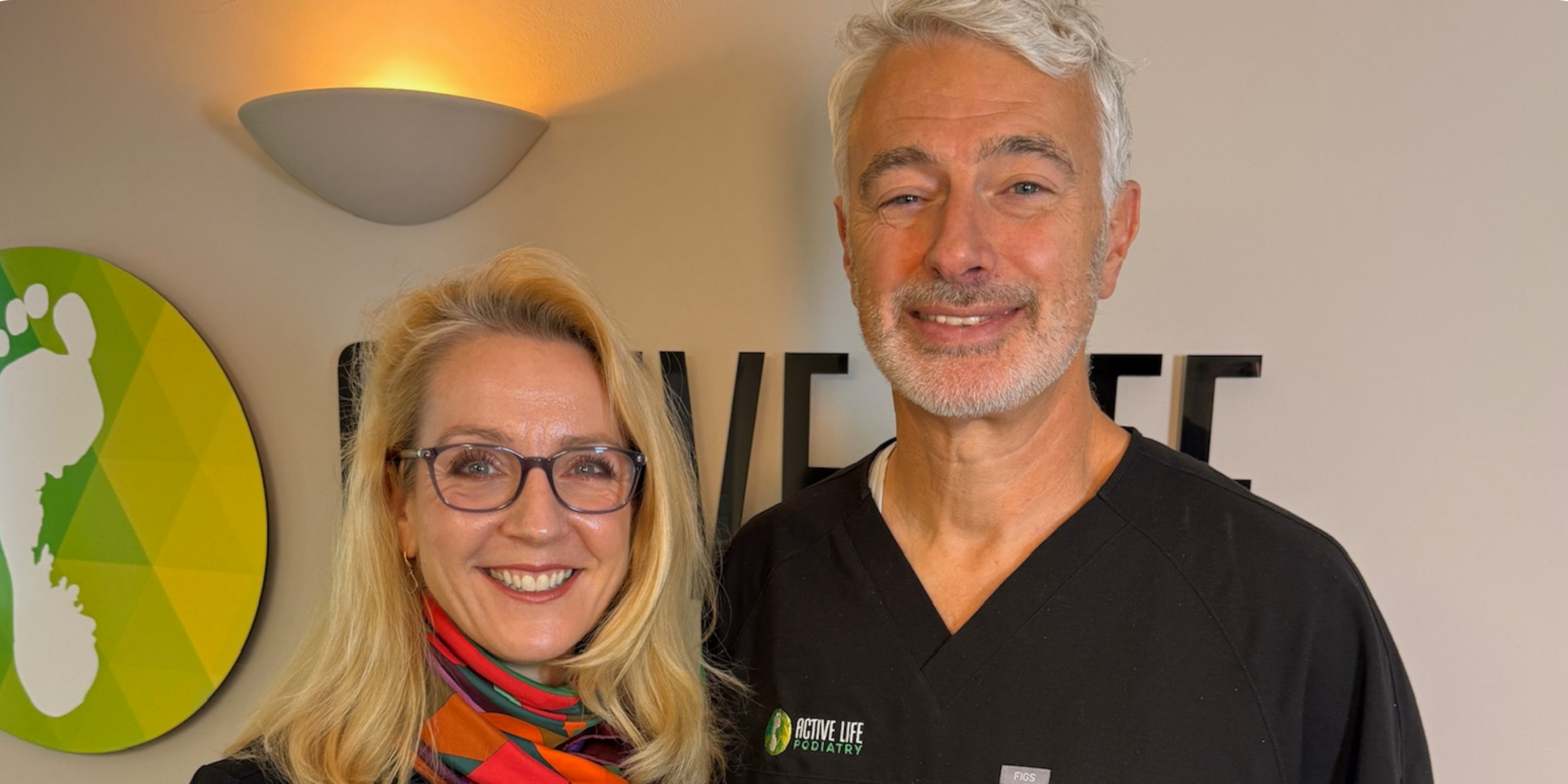
Why are dancers and gymnasts so prone to foot and ankle injuries and when is pain more than just a passing niggle? Penny is our in-house dance, gymnast and sports injury specialist. As a former ballet teacher and examiner, she’s an advocate for helping people stay pain-free.  

In this blog, Penny answers the most common questions about injury prevention, early warning signs, orthotics and keeping your feet performance-ready. 

1. Why do dancers and gymnasts get so many foot and ankle injuries, and how can they prevent them? 

Dancers and gymnasts place extraordinary demands on their feet and ankles. As I often say, the people who do the most washing up tend to break the most glasses. It’s not because they’re careless; it’s simply because they’re using them far more often. The same principle applies to the feet and ankles of dancers and gymnasts.  

Their sports require repetitive jumping, landing, turning, balancing and working at the extreme ranges of movement, often for many hours each week. The foot and ankle are repeatedly exposed to high forces, sometimes in positions that most people would never achieve.

Injury risk increases when factors such as fatigue, rapid increases in training load, inadequate recovery, poor scheduling of training and performances, suboptimal nutrition, insufficient strength, technique errors, unsuitable footwear or returning too quickly after injury are added into the mix.

The best strategies include sensible load management, good strength and conditioning, adequate rest and sleep, proper nutrition, addressing small problems before they become major injuries and ensuring technique is regularly monitored and refined.

2. When should a dancer or gymnast see a podiatrist instead of just resting?

Rest may be appropriate for minor aches and pains. However, if symptoms persist for more than a week or two, repeatedly return or affect performance, it’s worth seeking professional advice.

A musculoskeletal podiatrist who understands the demands of dance can assess how the foot, ankle and entire lower limb function together. We look at movement patterns, strength, flexibility, training loads, footwear and biomechanics to identify why a problem has developed. 

Early assessment can often prevent a small issue from becoming a prolonged injury resulting in significant time away from training. 

3. What are the most common injuries you see in dancers and gymnasts?

The most common problems I see tend to fall into two categories: injuries and general foot health concerns. While many of these are shared by dancers, gymnasts and other athletes, dancers can also present with issues related to pointe work and the demands of repeatedly working at the extreme ranges of foot and ankle movement. 

Injuries 

  • Ankle sprains and instability 
  • Achilles tendon pain 
  • Plantar heel pain 
  • Stress reactions and stress fractures 
  • Tendon injuries around the foot and ankle 
  • Joint irritation and impingement 
  • Toe injuries, particularly involving the big toe and/or second metatarsal joint 
  • Sesamoid injuries 

General Foot Health Concerns 

  • Blisters, corns and skin problems 
  • Nail trauma and ingrown toenails 
  • Concerns regarding foot appearance and aesthetics 
  • Bunions 

Many of these conditions can be managed successfully when identified early, which is why I encourage dancers and gymnasts not to ignore persistent symptoms.  

4. What’s one mistake you see dancers or gymnasts make with their foot health?

Ignoring the early warning signs. 

Many performers are incredibly disciplined and resilient, which is a strength, but it can also mean they normalise pain and continue training through problems that would be much easier to treat in the early stages. 

A small ‘niggle’ is often the body’s way of asking for attention. Addressing issues early is usually far more effective than waiting until they become performance-limiting injuries. 

5. Can orthotics or foot support help dancers and gymnasts without affecting performance?

Yes, but only if they are prescribed for the right reasons. Not every dancer or gymnast needs orthotics and they are never a substitute for strength, conditioning or good technique. However, in some cases they can help reduce excessive loading on injured tissues, improve comfort and support rehabilitation. 

For dancers, orthotics are usually worn in everyday footwear rather than during class or performance. The aim is often to help manage symptoms and recovery outside the studio, allowing the performing athlete to continue training more comfortably and efficiently. 

The key is that any intervention should be individualised. What works for one dancer or gymnast may be completely inappropriate for another. 

Got a niggle? Don’t wait…

Don’t let a persistent niggle hold back your performance. If you’re experiencing foot or ankle pain, book an assessment with Penny at Active Life Podiatry.

📍 Find us at: 1 Parsons Green Lane, Fulham, London, SW6 4HP

💻 Book your appointment here.

Take the next step toward better movement, faster recovery, and lasting performance.

Book your appointment today and step into your strongest stride yet.

Written by: Penny Kay, Podiatrist
Published and clinically reviewed: 31 July 2026

We are here to help you to #TakeSteps

  • To an active recovery following injury
  • To active, healthy feet for your family
  • To a personal best
  • To an Active Life

Take Steps to Peak Performance with 10% off in November

Take Steps to Peak Performance with 10% off in November

Take Steps to Peak Performance: 10% Off Specialist Podiatry Care for Fulham 10K Runners 

Whether you’re gearing up for the Fulham 10K, managing a training niggle, or giving your feet some much-needed post-race TLC, Active Life Podiatry is here to keep you running strong.

Located just minutes from the Fulham 10K route in Parsons Green, our specialist podiatry team supports runners at every stage; from training and prevention to recovery and rehabilitation.

Why Runners Choose Active Life Podiatry

Running places huge demands on your feet and lower limbs. Our biomechanical and gait analysis services help identify imbalances, inefficiencies, and potential injury risks, giving you a clear picture of how your body moves so you can run smarter and more efficiently.

Our services include:

  • Biomechanical Assessments : In-depth gait and movement analysis to understand your stride, posture, and loading patterns.

  • Sports & Recovery Treatments: Reduce muscle fatigue, speed up recovery, and stay race-ready.

  • Custom Orthotics & Footwear Advice: Support your feet with our in-house, precision-made orthotics and expert shoe guidance.

  • Injury Treatment & Rehabilitation: Targeted recovery plans to get you back on track safely and stronger than before.

Exclusive Offer for Fulham 10K Runners

Show your Fulham 10K race entry and enjoy 10% off pre and post run treatments between 1st – 30th November 2025.

It’s the perfect time to tune up your biomechanics, recover right, and prepare your feet for future runs.

📍 Find us at: 1 Parsons Green Lane, Fulham, London, SW6 4HP

💻 Book your appointment here.

Take the next step toward better movement, faster recovery, and lasting performance.

Book your appointment today and step into your strongest stride yet.

Written by: John Durkin, Clinic Owner and Podiatrist
Published and clinically reviewed: 1 November 2025

We are here to help you to #TakeSteps

  • To an active recovery following injury
  • To active, healthy feet for your family
  • To a personal best
  • To an Active Life

A Podiatrist’s guide to choosing the right running shoes 

A Podiatrist’s guide to choosing the right running shoes 

Choosing the right running shoes is essential for comfort, performance and injury prevention. There are many things to consider including your running surface (for example cross-country versus pavement or trail running) and distance can also play a factor too.

With so many choices available, it can be overwhelming and hard to know where to start. 

We’ve put together these handy tips to consider when you’re buying your next pair of running trainers.

1. Understand your foot type

Your first step is to book a running assessment with us. We will determine if you have a neutral, overpronation, or underpronation (supination) foot type and advise on the best type of running shoe and cushioning for you. 

We do this by observing your gait and form n the clinic with 3D technology to track your movements on our treadmill.

Book your gait analysis here.

2. Lean into expert advice 

Be fussy and take your time when choosing running shoes. The experts in running shoes at your local store can guide you to the right pair based on your needs and running style.

3. Try on shoes later in the day

This will ensure the fit is right and accounts for any foot swelling. 

Different socks can affect how the shoes feel so stick to your usual pair for an accurate assessment.

4. Use the ‘thumb-width’ rule

Aim for a finger’s width between your longest toe and the shoe end. This prevents cramping, nail damage and allows natural foot movement.

5. Don’t skip local retails for online deals

Supporting local keeps expertise alive and you’ll often get a much better service. Cheap, online deals may seem tempting but local shops provide invaluable knowledge for your foot health. 

Shopping local also supports the community, creates jobs and often has a smaller environmental impact. 

There are plenty of great local retailers near Active Life Poditry’s clinic in Fulham and Putney. Or, if you’re venturing a little further out – give our friends at Up and Running in Richmond a visit. Active Life Podiatry customers will get 10% off in-store by quoting ALP10

Book your gait analysis as a standalone assessment or an add-on to your routine appointment by calling our team on 020 7381 6682


View our services or head over to the booking page to book your appointment today.

We are here to help you to #TakeSteps

  • To an active recovery following injury
  • To active, healthy feet for your family
  • To a personal best
  • To an Active Life

Activate your personal best

Activate your personal best

Activate your personal best

We have two clinics, our flagship in Parsons Green and our second clinic in Fulham. Lots of our patients are keen runners and many enjoy the challenge of local running clubs and races.

We’ve helped thousands of patients overcome injury and get back on their feet, as well as supporting many on their performance journey; with biomechanical assessments, gait analysis and more.

Will this be the year your activate your personal best?

We’ve shared a few of our favourite races and running clubs, but there a lots more available. If you’d like to add your favourite to the recommendations, please email us at info@alpodiatry.co.uk


Join a running club

Whether you’re looking for a serious sweat, scenic river runs or a light jog to a different coffee shop, we’re spoilt for choice in the Fulham, Putney and surrounding areas.

Clubs have members of all speeds and abilities, so you’ll always be able to find someone at a similar ability or just a little bit faster to work towards. Even if you don’t want to enter races, simply improving your fitness and being a part of something is a great way to stay active.

Spending time with people that share your goals can be hugely motivating and help foster great new friendships.

Our top picks:


Running in a race

There’s nothing like a hard deadline to get you motivated! Whether you’re a first time runner or an esteemed athlete – there’s a race for you.

If you’re in a running club already, you’ll more than likely be taking part in races with people you already know so you’ll have you’re you’ll own personal squad of cheerleaders.

Here are our top picks for upcoming local races:

February

March

April

May

June

September


Whether it’s a biomechanical assessment and gait analysis or a pain management plan, our experts are on hand to help. You don’t have to go fast, you just have to go. Let us help you get there.

#TakeSteps to look after your feet

Active Life have invested in high-tech specialist equipment and combined with their expert knowledge and technology can provide useful advice on your personal running style and how to improve.